

Quick Answer
Vintage cars can be an investment opportunity for Indian collectors, but their value depends on rarity, originality, condition, provenance, market demand, and maintenance costs. Certain historically significant or highly sought-after models may appreciate over time, but returns are not guaranteed. Buyers should evaluate a car’s documentation, restoration history, import eligibility, and resale potential before purchasing it as a collectible asset.
Introduction
Vintage cars offer something beyond transportation: automotive heritage, distinctive design, engineering history, and the satisfaction of owning a piece of the past. For Indian enthusiasts and collectors, they can also represent a potential long-term investment.
However, to buy a vintage car as an investment require a different approach from conventional financial assets or modern luxury vehicles. Their value depends on the individual car, its historical significance, originality, condition, and the demand among collectors.
Importing a classic vehicle adds further considerations, including sourcing, shipping, applicable duties, regulatory compliance, restoration requirements, and future resale documentation.
Understanding these factors helps buyers distinguish a collectible with credible long-term potential from a car that may become expensive to maintain without delivering the expected resale value.
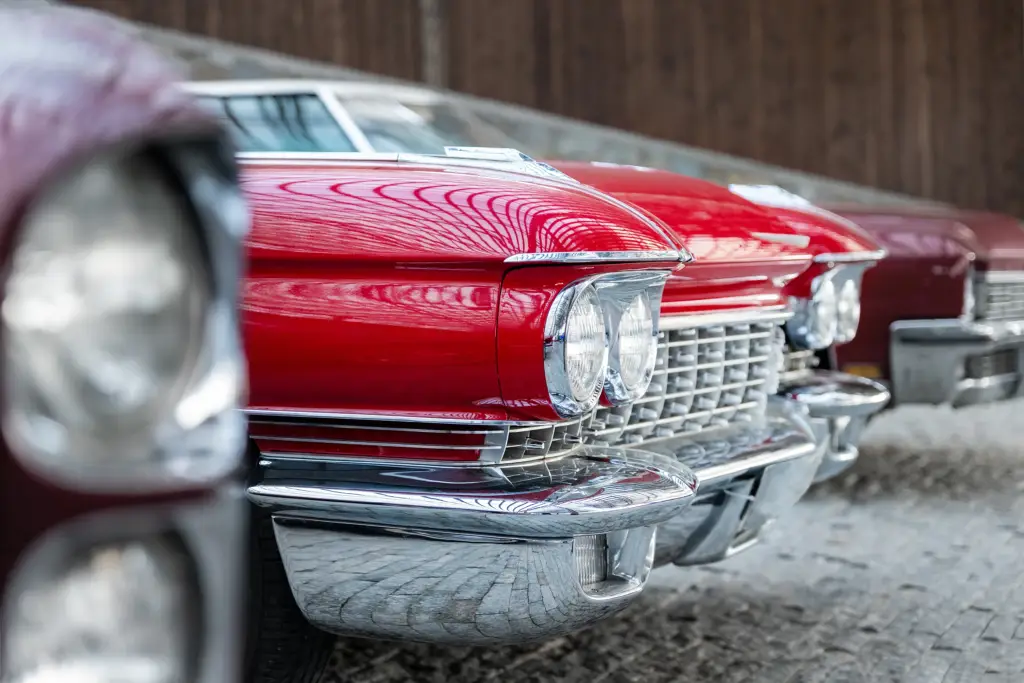
At a Glance: What Determines Vintage Car Investment Value?
| Factor | What to evaluate | Why it matters |
| Rarity | Production numbers, surviving examples, and variant | Limited availability can support collector demand |
| Condition | Mechanical health, bodywork, interior, and corrosion | Restoration and repair costs can affect ownership economics |
| Provenance | Ownership records, historical documents, and vehicle identity | Verifiable history can strengthen buyer confidence |
| Originality | Matching components, factory specifications, and modifications | Original features can matter significantly to collectors |
| Market demand | Auction results, comparable sales, and collector interest | Demand influences potential resale value |
| Ownership costs | Maintenance, storage, insurance, restoration, and import expenses | Costs reduce the overall financial return |
What Makes a Vintage Car Collectible?
Vintage and classic cars are often grouped together in everyday conversation, although the terms can have different meanings depending on the collector community, vehicle classification, and applicable regulations.
A vintage vehicle is generally associated with an earlier automotive era, while classic cars can span a broader range of historically significant models. Buyers should establish the precise classification relevant to the vehicle and its intended use.
Not every old car is a valuable collectible. Investment potential depends on the combination of historical significance, desirability, rarity, condition, and verifiable authenticity.
Some buyers favour iconic sports cars, while others look for historically important luxury vehicles, limited-production models, or cars associated with significant automotive milestones. The right choice depends on the buyer’s collecting objectives and budget.
Why Vintage Cars Can Make Sense for Collectors
1. Rarity and Historical Significance
A model produced in limited numbers, a desirable factory variant, or a vehicle with a documented historical connection may attract stronger collector interest.
However, rarity alone does not guarantee appreciation. A scarce vehicle with limited demand may be harder to sell than a more widely recognised model.
2. Design and Automotive Heritage
Vintage cars represent the styling, engineering, and manufacturing approaches of their respective eras. This historical appeal can make them attractive to collectors who value ownership and preservation as much as potential financial returns.
3. Long-Term Collecting Potential
Some collectible vehicles have demonstrated strong demand in specialist markets over time. Nevertheless, past auction prices do not guarantee future performance, and values can fluctuate with economic conditions, changing preferences, and the availability of comparable cars.
4. Ownership Beyond Financial Returns
A vintage car may provide personal enjoyment through collection, restoration, display, and participation in appropriate automotive events. Buyers should consider this non-financial value when deciding whether the costs and responsibilities of ownership are worthwhile.
Comparing Different Vintage Car Investment Categories
| Collectible category | Potential appeal | Key consideration | Suitable buyer |
| Rare classic sports cars | Performance heritage and enthusiast demand | Mechanical condition and authenticity | Buyers seeking recognised performance icons |
| Vintage luxury cars | Craftsmanship, design, and historical prestige | Complex restoration and specialist maintenance | Collectors interested in automotive heritage |
| Limited-production models | Scarcity and distinctive specifications | Evidence of rarity and actual market demand | Experienced collectors |
| Historically significant vehicles | Documented links to important events, people, or automotive milestones | Provenance verification and authenticity | Buyers prioritising historical importance |
These categories overlap, and none guarantees appreciation. Evaluate individual vehicles using comparable sales, documented condition, and credible market evidence rather than relying solely on a model’s reputation.
Importing Vintage Cars into India: What Buyers Must Know
For buyers exploring vintage car importers in India or classic car import services India, the first step is to establish whether the specific vehicle can legally be imported and registered under the applicable rules.
1. Verify Import Eligibility
Import requirements can depend on the vehicle’s age, condition, origin, intended use, import category, and documentation. Do not assume that every vintage vehicle qualifies for import simply because it is old or collectible.
Confirm the current requirements with the relevant authorities or a qualified import specialist before making a purchase commitment.
2. Check Steering Configuration and Vehicle Identity
Older imported vehicles may have different steering configurations and technical specifications. Assess the original configuration, chassis and engine identification, available documentation, and any previous modifications.
If RHD conversion is being considered, confirm its technical feasibility and regulatory implications. Conversion does not automatically guarantee approval or registration.
3. Review Documentation and Provenance
Request available ownership records, registration documents, restoration invoices, historical photographs, and other supporting records.
For imported collectibles, establish which documents will be available from the seller and which additional documents are needed for import and registration. A credible chain of ownership can support authenticity checks and improve confidence during a future sale.
4. Plan for Specialist Maintenance
Vintage vehicles may require specialist technicians, hard-to-source components, and careful storage. Before purchasing, identify how routine servicing, mechanical repairs, and restoration work will be managed in India.
Restoration and Customisation: Protecting Collector Value
Restoration can improve a vintage car’s condition, but it does not automatically increase its market value.
For some highly collectible vehicles, originality and historically accurate components are especially important. Extensive modifications may reduce desirability among buyers seeking factory-correct examples.
Before undertaking restoration, assess:
- Mechanical condition: Engine, transmission, braking systems, steering, and suspension.
- Body and chassis: Corrosion, accident repairs, structural condition, and evidence of previous restoration.
- Interior authenticity: Original materials, instruments, trim, and period-correct replacements.
- Parts availability: Whether authentic or appropriate replacement components can be sourced.
- Documentation: Records of repairs, parts replaced, and restoration work completed.
A documented, sympathetic restoration may be preferable to extensive cosmetic changes that compromise originality. The correct approach depends on the vehicle and its collector market.
What Does It Cost to Buy and Import a Vintage Car?
There is no single price for vintage cars in India. Values vary substantially according to model, rarity, condition, provenance, restoration quality, and market demand.
For an imported vehicle, the overall budget may include:
- Overseas purchase price.
- Independent inspection and authentication.
- Shipping and transit insurance.
- Applicable customs duties and taxes.
- Restoration, repairs, and replacement components.
- Compliance, documentation, and registration-related expenses.
- Storage, insurance, and ongoing maintenance.
Import duties and other charges can materially affect the final cost. Obtain an itemised estimate based on the actual vehicle and applicable rules before proceeding.
To assess investment potential, compare the expected resale value with the complete acquisition and ownership costs, not just the purchase price.
How Daytona Exotics Can Assist
Daytona Exotics specialises in luxury car importing and RHD conversion-related services. Buyers interested in sourcing a vintage or classic vehicle should begin by identifying the desired model, acceptable condition, budget, and intended use.
The next step is to establish the feasibility of sourcing and importing the specific vehicle, clarify applicable compliance requirements, and understand the expected cost components.
Where conversion or customisation is relevant, its technical feasibility should be assessed carefully, particularly for historically significant vehicles where originality can influence collector value.
Buyers should confirm the exact scope of sourcing, import assistance, conversion-related work, and delivery support available for their chosen vehicle before proceeding.
Expert Insight: Buy the Car’s History, Not Just Its Appearance
When evaluating a vintage car, a polished exterior is not enough to establish its value. The more important questions concern authenticity, structural condition, mechanical health, ownership history, and the quality of any restoration.
A vehicle advertised as rare should be supported by credible evidence. Similarly, claims about original components, historical significance, or previous ownership should be verified wherever possible.
I would approach a potential purchase by obtaining an independent inspection, reviewing available documentation, and comparing completed sales of genuinely comparable vehicles. I would also establish the full import and ownership budget before estimating potential returns.
Most importantly, treat appreciation as a possibility rather than a promise. A car should make sense as a collectible even when future resale prices are uncertain.
Common Mistakes to Avoid
- Buying solely because a car is old: Age does not automatically create collector value.
- Confusing rarity with demand: A rare model may still have a limited resale market.
- Ignoring originality: Unrecorded modifications and non-original components can affect desirability.
- Skipping an independent inspection: Hidden corrosion, mechanical faults, and poor restoration work can be expensive.
- Overlooking provenance: Incomplete records can make authenticity and resale claims harder to establish.
- Underestimating import and restoration costs: These expenses can significantly reduce any eventual return.
- Assuming appreciation is guaranteed: Collectible car markets are uncertain and can be illiquid.
- Ignoring exit options: Consider the likely buyer pool and the time required to find a suitable purchaser.
Conclusion
Vintage cars as an investment can appeal to Indian collectors who value automotive heritage and understand the responsibilities of specialist ownership. However, investment potential depends on much more than age or brand prestige.
Rarity, originality, condition, provenance, collector demand, and total ownership costs should guide the buying decision. For imported vehicles, eligibility, documentation, and registration requirements must also be verified before purchase.
A carefully researched vehicle with credible history and a realistic ownership budget may offer long-term collecting value, but returns are never assured. The strongest decisions combine enthusiasm with independent inspection, evidence-based valuation, and thorough import planning.
Planning to Import Your Dream Luxury Car?
Choosing the right vehicle is only the first step. From sourcing and import planning to RHD conversion and delivery, work with a trusted luxury car importer in India to navigate the process with greater clarity. Connect with Daytona Exotics to explore your options and plan your luxury car import.
Explore our website gallery and follow Daytona Exotics on Instagram, LinkedIn, and Facebook for curated additions, ownership insights, and market updates.
Frequently Asked Questions
Q1. Are vintage cars a good investment in India?
A. They can be suitable for collectors, but returns are uncertain. Rarity, originality, condition, provenance, demand, and ownership costs influence whether a vehicle holds or increases its value.
Q2. Which factors increase a vintage car’s resale value?
A. Authenticity, documented history, desirable specifications, strong condition, quality restoration, and sustained collector demand can support resale value. No single factor guarantees a higher selling price.
Q3. Can I import a vintage car into India?
A. Import eligibility depends on the specific vehicle and applicable rules. Verify the current import, customs, documentation, and registration requirements before purchasing the car overseas.
Q4. How do I verify a vintage car’s authenticity?
A. Review available ownership records, vehicle identification details, historical documentation, restoration invoices, and original specifications. An independent specialist inspection can help identify inconsistencies.
Q5. What costs should I consider when importing a classic car?
A. Budget for the purchase, inspection, shipping, insurance, applicable duties and taxes, restoration, compliance, registration-related expenses, storage, and maintenance.

