Quick Answer
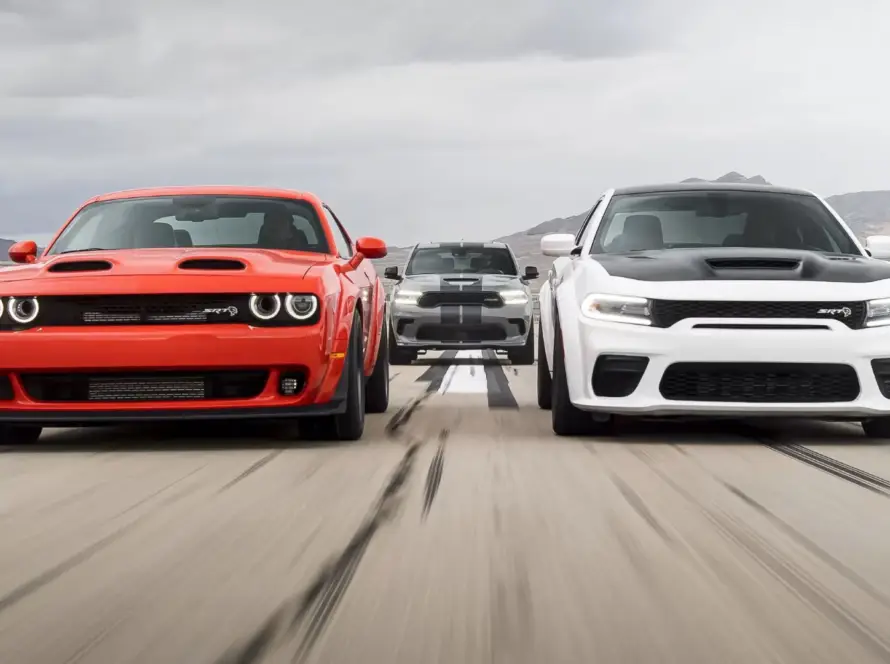
The best muscle cars for Indian roads are those that balance performance, ground clearance, manageable dimensions, driving comfort, and long-term ownership requirements. Models such as the Ford Mustang GT, Chevrolet Camaro SS, and Dodge Challenger offer distinctive American muscle car character, but their suitability depends on road conditions, vehicle configuration, import requirements, and the availability of appropriate servicing and parts. Before importing, Indian buyers should evaluate right-hand-drive (RHD) conversion requirements, regulatory compliance, total landed cost, and intended usage.
Introduction
American muscle cars are known for their powerful engines, bold styling, distinctive exhaust notes, and engaging driving experience. For Indian enthusiasts, importing one offers access to vehicles that may not be readily available through the domestic new-car market.
However, choosing the best muscle cars for Indian roads requires more than comparing horsepower or acceleration figures. Indian driving conditions can involve uneven surfaces, steep ramps, crowded streets, speed breakers, and varying road widths. A car that performs exceptionally well on a smooth highway may require more careful handling in city traffic or on poorly maintained roads.
For buyers considering an import, the priority should be finding a muscle car that suits their driving habits, ownership expectations, and compliance requirements.

At a Glance: Muscle Cars Worth Considering
| Model | Key appeal | Best suited for |
| Ford Mustang GT | Iconic styling and V8 performance in a relatively compact coupe body | Enthusiasts seeking a performance-focused everyday or weekend car |
| Chevrolet Camaro SS | Sporty handling and an aggressive performance-oriented design | Drivers prioritising an engaging driving experience |
| Dodge Challenger R/T or Scat Pack | Classic muscle car styling and a wider, more traditional coupe profile | Buyers who prefer a bold road presence and traditional muscle car character |
Note: Specifications, equipment, model-year availability, and drivetrain configurations vary. These models are examples for comparison, not a confirmation that every variant is available, importable, or suitable for Indian registration.
What Makes a Muscle Car Different?
Muscle cars traditionally combine substantial engine performance with bold styling and a strong emphasis on straight-line acceleration. Modern American performance coupes may also incorporate advanced suspension systems, electronic driving aids, and performance-focused braking systems.
Three models frequently considered by enthusiasts are the Ford Mustang GT, Chevrolet Camaro SS, and Dodge Challenger.
The Mustang GT is recognised for its performance-oriented character and unmistakable styling. The Camaro SS offers a more aggressive sports-coupe experience, while the Challenger is associated with its broad proportions and classic American muscle car design.
The right choice depends on the buyer’s preferences, but it is equally important to examine the specific model year, engine, transmission, dimensions, and original steering configuration before committing to an import.
Why Muscle Cars Can Make Sense for Indian Buyers
1. Performance for Highways and Weekend Drives
Muscle cars can deliver strong acceleration and an engaging driving experience, making them appealing for highway journeys and recreational driving. Their performance potential, however, should always be matched to road conditions, traffic, and applicable speed limits.
2. Distinctive Styling and Road Presence
Their long bonnets, wide stances, sculpted bodywork, and unmistakable designs make muscle cars stand out. For buyers seeking something different from conventional luxury sedans and SUVs, this visual identity is a significant attraction.
3. Personalisation Opportunities
Depending on the vehicle and applicable requirements, owners may explore interior upgrades, exterior styling, wheel options, and other customisation possibilities. Any modification should be evaluated for compatibility, safety, and regulatory compliance.
4. A Specialised Ownership Experience
An imported muscle car is often a passion purchase rather than a purely practical transport solution. Buyers should be comfortable planning for specialist maintenance, replacement parts, fuel requirements, and potentially longer servicing lead times.
Comparing the Best Muscle Cars for Indian Roads
Choosing between popular American performance cars involves assessing more than engine output.
| Consideration | Ford Mustang GT | Chevrolet Camaro SS | Dodge Challenger |
| Driving character | Performance coupe with iconic muscle car appeal | Sporty, driver-focused performance coupe | Traditional muscle car presence |
| Urban manoeuvrability | Assess visibility and turning requirements | Assess visibility and body dimensions | Wide body may require additional care in tight spaces |
| Ground clearance | Verify the exact variant and underbody configuration | Verify the exact variant and underbody configuration | Verify the exact variant and underbody configuration |
| Buyer priority | Balanced performance and styling appeal | Engaging driving dynamics | Bold design and classic muscle car character |
No single model is automatically the best choice for every Indian city. Buyers should compare actual vehicle dimensions, approach angles, turning radius, tyre specifications, and underbody clearance for the exact configuration being considered.
Import and Compliance: What Indian Buyers Must Check
Before deciding to import American muscle cars to India, buyers must establish whether the specific vehicle and proposed import route can satisfy applicable Indian requirements.
Right-Hand-Drive Conversion
Many American-market vehicles are manufactured with left-hand-drive (LHD) steering. Indian road use generally requires compliance with applicable steering-position and vehicle regulations, making RHD suitability a critical consideration.
A conversion is not simply a matter of relocating the steering wheel. Depending on the vehicle, it can involve steering components, dashboard and pedal arrangements, wiring, braking systems, and other interconnected systems.
The technical feasibility of conversion must be assessed for the exact vehicle. A conversion alone does not guarantee regulatory approval or eligibility for registration.
Import Eligibility and Registration
Vehicle imports may be subject to requirements concerning vehicle age, condition, emissions, safety, documentation, customs duties, and registration. The applicable rules can depend on the vehicle, import category, and circumstances of the transaction.
Before paying a deposit, confirm the current requirements with the relevant authorities or a qualified import and compliance specialist. Do not assume that a vehicle can be registered in India simply because it can be purchased overseas or converted to RHD.
Documentation and Delivery
The purchase and import process should account for vehicle ownership documents, shipping arrangements, customs clearance, applicable duties and taxes, and the documentation required for registration.
A clear plan for each stage helps reduce the risk of unexpected delays and additional costs.
Customisation and RHD Conversion Considerations
Customisation can help tailor an imported muscle car to the owner’s preferences, but functional changes should take priority over appearance.
Key areas to evaluate include:
- Steering and controls: Assess whether a technically appropriate RHD conversion is feasible for the selected model.
- Interior layout: Review dashboard integration, instrument visibility, pedal positioning, and control accessibility.
- Suspension and clearance: Examine the existing setup and determine whether any proposed changes are appropriate for Indian roads.
- Wheels and tyres: Confirm that the selected specification is compatible with the vehicle and intended usage.
- Electrical and electronic systems: Check the compatibility of any proposed modifications with the vehicle’s original systems.
Every modification should be assessed for quality, reliability, safety, and compliance before it is undertaken.
How Much Does It Cost to Import a Muscle Car to India?
There is no single price for importing a muscle car. The final cost depends on the vehicle’s purchase price, model year, condition, shipping, insurance, applicable customs duties and taxes, conversion requirements, compliance work, and registration-related expenses.
A useful budgeting exercise separates the following cost categories:
- Overseas vehicle purchase.
- Inspection and purchase-related charges.
- International shipping and insurance.
- Customs duties and applicable taxes.
- RHD conversion, if feasible and required.
- Compliance, documentation, and registration-related expenses.
- Maintenance, parts, and contingency reserves.
Request an itemised estimate before committing to a vehicle. Compare the total expected ownership cost rather than relying on the overseas asking price alone.
How Daytona Exotics Can Assist
Daytona Exotics specialises in luxury car importing and RHD conversion-related services for Indian buyers. For someone considering an American performance car, the process should begin with identifying the preferred model, understanding the intended use, and evaluating the feasibility of sourcing and conversion.
The next step is to establish the applicable import and compliance requirements, understand the expected cost components, and determine what work may be necessary before delivery.
Buyers should seek clarity on the scope of sourcing, conversion, documentation, and delivery support available for their specific vehicle. The proposed scope and feasibility should be confirmed before proceeding, particularly where technical modifications or regulatory approvals are involved.
Expert Insight: Choose the Right Car Before Choosing the Engine
When evaluating a muscle car for India, start with how and where you intend to drive it. A powerful engine may be appealing, but it cannot compensate for unsuitable ground clearance, poor visibility, impractical dimensions, or an unresolved compliance issue.
Assess the actual vehicle rather than relying only on its model name. Two examples of the same car can differ in model year, equipment, condition, steering configuration, and modification history.
Before making a purchase, obtain a realistic landed-cost estimate and confirm the conversion and registration pathway. These checks can help you make a more informed decision and avoid committing to a vehicle that is unsuitable for your requirements.
Common Mistakes to Avoid Before Importing
- Choosing by horsepower alone: Consider road conditions, visibility, dimensions, comfort, and everyday usability.
- Ignoring ground clearance: Check the exact vehicle’s clearance and underbody exposure before assessing its suitability for speed breakers and ramps.
- Assuming every LHD vehicle can be converted: Technical feasibility and regulatory eligibility must be confirmed separately.
- Underestimating the total cost: Include shipping, duties, taxes, conversion, compliance, and ongoing maintenance in the budget.
- Overlooking parts availability: Understand how routine maintenance and specialist repairs will be handled.
- Buying before checking compliance: Establish the applicable import and registration requirements before committing funds.
- Assuming modifications are automatically permitted: Verify the legality and technical implications of proposed changes.
Conclusion
The best muscle cars for Indian roads are not necessarily the most powerful or expensive models. They are the vehicles that align with your driving preferences, road conditions, ownership budget, and ability to meet import and registration requirements.
The Ford Mustang GT, Chevrolet Camaro SS, and Dodge Challenger are useful starting points for comparison, but each specific vehicle requires careful evaluation. For buyers planning to import American muscle cars to India, confirming RHD conversion feasibility, regulatory compliance, and total landed cost should come before finalising the purchase.
With appropriate planning and specialist guidance, enthusiasts can approach the import process with a clearer understanding of the opportunities, limitations, and responsibilities involved.
Planning to Import Your Dream Luxury Car?
Choosing the right vehicle is only the first step. From sourcing and import planning to RHD conversion and delivery, work with a trusted luxury car importer in India to navigate the process with greater clarity. Connect with Daytona Exotics to explore your options and plan your luxury car import.
Explore our website gallery and follow Daytona Exotics on Instagram, LinkedIn, and Facebook for curated additions, ownership insights, and market updates.
Frequently Asked Questions
Q1. Which are the best muscle cars for Indian roads?
The Ford Mustang GT, Chevrolet Camaro SS, and Dodge Challenger are popular models to consider. The best option depends on dimensions, ground clearance, intended usage, conversion feasibility, and import compliance.
Q2. Can you import American muscle cars to India?
Importing may be possible depending on the vehicle, import category, and applicable regulations. Buyers should verify current import eligibility, documentation, and registration requirements before purchasing.
Q3. Can an American muscle car be converted to right-hand drive in India?
Some vehicles may be technically suitable for conversion, but feasibility depends on the model and configuration. A conversion does not automatically establish legal compliance or registration eligibility.
Q4. How much does it cost to import a muscle car to India?
The cost varies according to the vehicle’s price, shipping, insurance, duties, taxes, conversion, compliance work, and other expenses. An itemised estimate is necessary for an accurate budget.
Q5. Are muscle cars practical for Indian city driving?
They can be driven in suitable conditions, but their dimensions, visibility, ground clearance, fuel requirements, and manoeuvrability may make some city environments challenging. The exact vehicle should be assessed before purchase.
Q6. How can muscle car importers in India help buyers?
Specialist muscle car importers in India may assist with sourcing, import logistics, conversion-related services, and delivery planning. Buyers should verify the provider’s capabilities and confirm the vehicle’s compliance pathway before proceeding.