Quick Answer
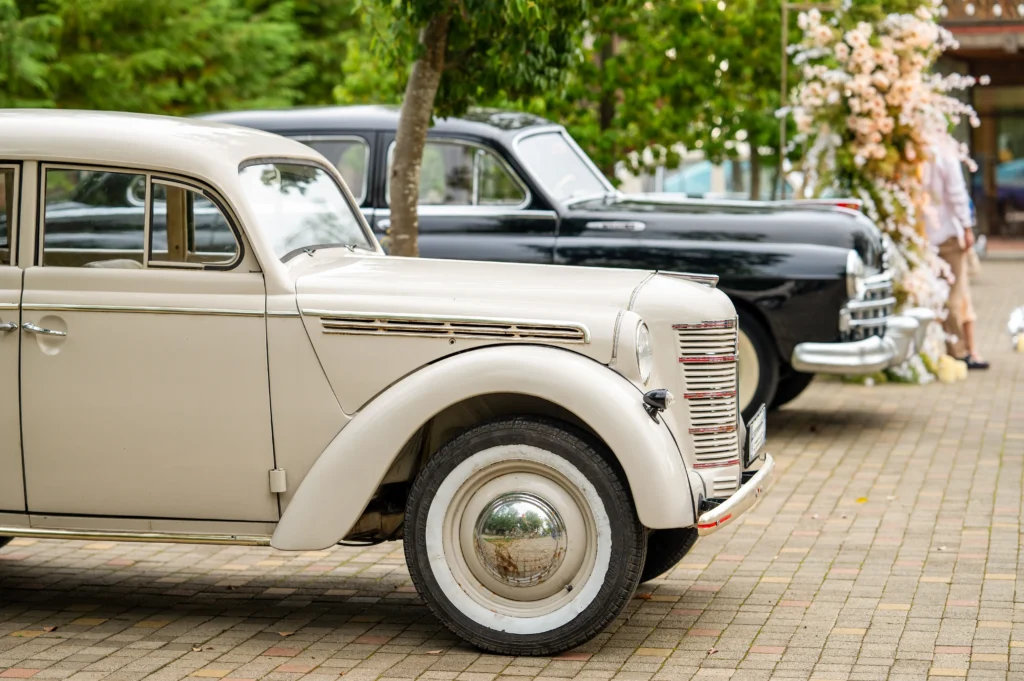
E20 petrol can affect imported and classic cars differently depending on their manufacturing year, engine design and fuel-system materials. Modern vehicles designed and approved for E20 can use it as specified by their manufacturer. However, older imported cars, classic American muscle cars and certain pre-2023 luxury models may require additional compatibility checks.
The primary concern is not necessarily engine damage but the long-term effect of higher ethanol content on older rubber seals, fuel hoses, gaskets and other fuel-system components. Before using E20, owners should verify the manufacturer’s fuel recommendation.
The Buyers and Owners Dilemma
India’s transition to E20 petrol has introduced an important consideration for luxury and classic car owners. While ethanol-blended fuel is part of the country’s broader energy strategy, its compatibility with imported vehicles deserves attention.
For someone driving a modern Mercedes-Benz or BMW, fuel compatibility may be relatively straightforward to establish. However, owners of older American muscle cars, vintage European vehicles and privately imported luxury cars may face different considerations.
Unlike locally manufactured vehicles, imported cars can have different engine specifications and fuel-system configurations depending on their original market.
Understanding the E20 effects in imported cars is therefore essential before making fuel choices, particularly for enthusiasts planning to buy muscle car models or invest in rare automobiles.
At a Glance
| Parameter | Details |
| E20 composition | 80% petrol and 20% ethanol |
| Fuel standard in India | E20 is the standard petrol blend |
| Octane requirement | Minimum RON 95 under the April 2026 notification |
| Modern E20-compatible cars | Designed and approved for the specified blend |
| Older imported cars | Compatibility depends on manufacturer specifications |
| Classic cars | Require individual fuel-system assessment |
| Primary concern | Compatibility of older fuel-system materials |
| Recommended approach | Check manufacturer guidance and inspect the fuel system |
India’s E20 transition has been supported by testing involving automotive manufacturers, ARAI and other industry bodies. However, individual vehicle compatibility must still be established rather than assumed.
What Is E20 Petrol and How Does It Affect Imported Cars?
E20 petrol contains 20% ethanol blended with 80% conventional petrol. Ethanol is an alcohol-based fuel component that can improve certain combustion characteristics and reduce dependence on conventional petrol.
However, ethanol has different chemical and energy properties from petrol.
For imported cars, the important consideration is whether the engine and fuel delivery system were designed to handle this concentration.
Potential concerns in older vehicles include:
- Rubber deterioration: Older seals, hoses and gaskets may not be compatible with higher ethanol concentrations.
- Fuel-system corrosion: Certain materials and components may be more susceptible to deterioration.
- Fuel economy: Ethanol has lower energy content per litre than petrol, which can affect mileage.
- Cold-start behaviour: Older engines may require different fuel-system calibration.
- Long-term storage: Classic cars that remain unused for extended periods need particular attention to fuel quality and storage conditions.
These concerns do not mean every older vehicle will experience damage. Actual outcomes depend on its original specifications, present condition and maintenance history.
Why Modern Luxury Cars and Classic Cars Respond Differently
The difference largely comes down to engineering and manufacturing standards.
Modern luxury vehicles increasingly use fuel-system components designed to accommodate specified ethanol blends. Their engine management systems can also adjust fuel delivery within their designed operating parameters.
Older vehicles may not have the same material compatibility or electronic controls.
For example:
- A newer BMW designed for E20 may operate normally on the approved fuel.
- An older Mercedes-Benz may require confirmation of its permitted ethanol concentration.
- A classic Ford Mustang may have older fuel hoses, carburettor components and seals that need inspection.
- A vintage Chevrolet Camaro may require a closer assessment of its fuel delivery system before regular E20 use.
The model name alone is not enough to determine compatibility. Manufacturing year, engine variant and original market specifications all matter.
E20 vs XP95: Which Is Better for Imported Cars?
E20 and XP95 should not be treated as direct alternatives based only on their names.
E20 describes ethanol concentration, whereas XP95 is IndianOil’s branded 95-octane petrol.
A higher octane rating does not automatically mean lower ethanol content. XP95 has also been supplied with ethanol blending, so owners should not assume that it is ethanol-free.
| Factor | E20 Petrol | XP95 |
| Main distinction | Ethanol blend | Branded 95-octane petrol |
| Octane rating | Depends on the applicable fuel specification | 95 RON |
| Ethanol content | Up to 20% | Depends on current supply specification |
| Primary consideration | Ethanol compatibility | Octane requirement and ethanol compatibility |
| Suitable for | Vehicles approved for the blend | Vehicles requiring suitable 95 RON fuel, subject to blend compatibility |
For a high-performance imported car, the correct fuel is the one that meets both the manufacturer’s octane and ethanol-content requirements.
Always check the current fuel specification and vehicle manual before selecting a premium petrol.
Which Luxury Cars Are E20-Compatible?
There is no universal E20 compatibility list covering every model from a particular luxury manufacturer.
BMW, Mercedes-Benz, Audi, Porsche and other premium manufacturers have introduced different engines and fuel systems across multiple generations.
A newer vehicle may support E20, while an older model from the same manufacturer may have different requirements.
Before purchasing or operating an imported luxury vehicle, check:
- The manufacturing year and engine variant.
- The manufacturer’s approved ethanol blend.
- The fuel compatibility sticker, where available.
- The original owner’s manual.
- Confirmation from the manufacturer or authorised technical representative.
This is particularly important for privately imported vehicles because their original fuel specifications may differ from those of Indian-market models.
Importing a Luxury or Classic Car into India: What Should Buyers Consider?
E20 compatibility should be part of the ownership assessment when importing a luxury vehicle into India.
A car designed for a different fuel market may have been developed around a different ethanol concentration and octane specification.
Buyers should consider:
- Original market specifications: Confirm the fuel requirements for the exact vehicle and engine.
- Right-hand-drive conversion: Ensure that any required conversion is assessed independently of fuel compatibility.
- Registration and compliance: Verify applicable import, homologation, registration and road-use requirements before purchase.
- Fuel-system inspection: Assess hoses, seals, injectors, pumps and other relevant components.
- Parts availability: Check whether compatible replacement components can be sourced in India.
These checks are especially relevant when considering rare vehicles or planning to buy muscle car models from international markets.
Can Imported Cars Be Customised for E20 Compatibility?
Depending on the vehicle, certain fuel-system components may be replaceable with ethanol-compatible alternatives.
Potential areas for technical inspection include:
- Fuel hoses and connectors.
- Rubber seals and O-rings.
- Fuel pumps and filters.
- Injectors and associated components.
- Carburettor seals and fuel lines in older vehicles.
However, replacing components does not automatically make a vehicle E20-compliant. Engine calibration, fuel delivery and the manufacturer’s engineering requirements must also be considered.
Any modification should be carried out by a qualified automotive specialist using components appropriate for the vehicle.
Cost Considerations for Imported and Classic Cars
The cost of addressing E20 compatibility varies from vehicle to vehicle.
A modern imported car may require only a compatibility confirmation and routine inspection. An older classic car could require replacement of several fuel-system components.
Factors influencing the cost include:
- Vehicle age and engine configuration.
- Availability of original replacement parts.
- Condition of the existing fuel system.
- Specialist labour and technical assessment.
- Whether additional modifications or calibration are necessary.
For rare imported vehicles, sourcing compatible components can be more challenging than the actual replacement work.
Daytona Exotics Approach
At Daytona Exotics, the focus is on helping Indian buyers access luxury, exotic and iconic automobiles from international markets.
Fuel compatibility is an important consideration when evaluating imported vehicles, particularly older European cars and American muscle cars.
The assessment should consider the vehicle’s original specifications, engine configuration, fuel-system condition and suitability for Indian operating conditions.
From sourcing and importing to right-hand-drive conversion and customisation, the objective is to help buyers make informed decisions before investing in a specialised automobile.
For enthusiasts looking to buy muscle car models or rare luxury vehicles, understanding these ownership considerations is just as important as selecting the right car.
Expert Insight: What Should Imported Car Owners Do?
The most practical approach is to evaluate fuel compatibility at the individual vehicle level rather than making assumptions based on the manufacturer or vehicle category.
A modern imported luxury car designed for E20 should not be treated like a decades-old classic vehicle. Similarly, an older vehicle should not automatically be considered unsafe without examining its actual fuel-system condition and manufacturer guidance.
For classic car enthusiasts, preventive inspection is particularly important. Ageing hoses, seals and gaskets deserve attention regardless of the fuel being used.
The objective should be to preserve engine reliability and the vehicle’s original character without making unnecessary modifications.
Common Mistakes to Avoid
- Assuming premium petrol is ethanol-free: A higher octane rating does not guarantee a lower ethanol blend.
- Treating every BMW or Mercedes as E20-compatible: Compatibility varies by model, engine and manufacturing year.
- Ignoring older fuel-system components: Ageing hoses and seals should be inspected regularly.
- Using additives without technical advice: Fuel additives are not a guaranteed solution to material incompatibility.
- Making unnecessary engine modifications: Always establish the actual compatibility issue before modifying a vehicle.
Conclusion
E20 petrol introduces an important ownership consideration for imported and classic cars in India. While modern E20-compatible luxury vehicles are designed to operate on the approved blend, older imported cars may require additional checks.
For classic American muscle cars and vintage European automobiles, the condition and material compatibility of the fuel system deserve particular attention.
Whether you already own an imported automobile or are planning to buy one, understanding its fuel requirements can help protect your investment and support long-term reliability.
At Daytona Exotics, informed sourcing and vehicle evaluation remain important considerations when bringing exceptional automobiles to Indian roads.
Frequently Asked Questions
Q1. Which is better, E20 or XP95?
A. They serve different purposes. E20 refers to ethanol concentration, while XP95 is a 95 RON branded petrol. Choose fuel based on your vehicle’s octane and ethanol compatibility requirements.
Q2. Which luxury cars are E20-compliant?
A. E20 compatibility varies by model, engine and manufacturing year. Check the manufacturer’s documentation for the exact BMW, Mercedes-Benz, Audi or other luxury car you own.
Q3. Is E20 good for cars like BMW, Mercedes-Benz and other luxury brands?
A. Modern models approved for E20 can use it as specified. Older models may require compatibility checks, particularly for fuel hoses, seals and other fuel-system components.
Q4. Will E20 cause issues in imported muscle cars?
A. It can create concerns in older muscle cars if their fuel-system materials are not designed for higher ethanol concentrations. A technical inspection is recommended before regular use.
Q5. Will E20 affect the performance of luxury cars?
A. E20-compatible vehicles are designed to operate on the approved blend. However, fuel economy may vary because ethanol contains less energy per litre than petrol. Older incompatible vehicles may also experience drivability issues.
Q6. Can I use XP95 in my imported classic car instead of regular E20?
A. Not automatically. XP95 is a 95 RON fuel, but its ethanol content must also be considered. Confirm the current fuel specification and your classic car’s permitted ethanol concentration before use.
Owning an Imported Car in India? Read These Next
Fuel compatibility is only one part of keeping an imported car healthy. These guides cover the upkeep habits and running costs that matter next.
Recommended next read: How to Maintain Your Imported Car: Tips for Longevity and Performance
Also worth reading:
- Maintenance Cost of Imported Cars in India: Complete Breakdown
- Best Muscle Cars for Indian Roads: What Actually Matters Before You Import One
Not sure how your car will cope with Indian conditions? Talk to Daytona Exotics about sourcing, import and aftercare.