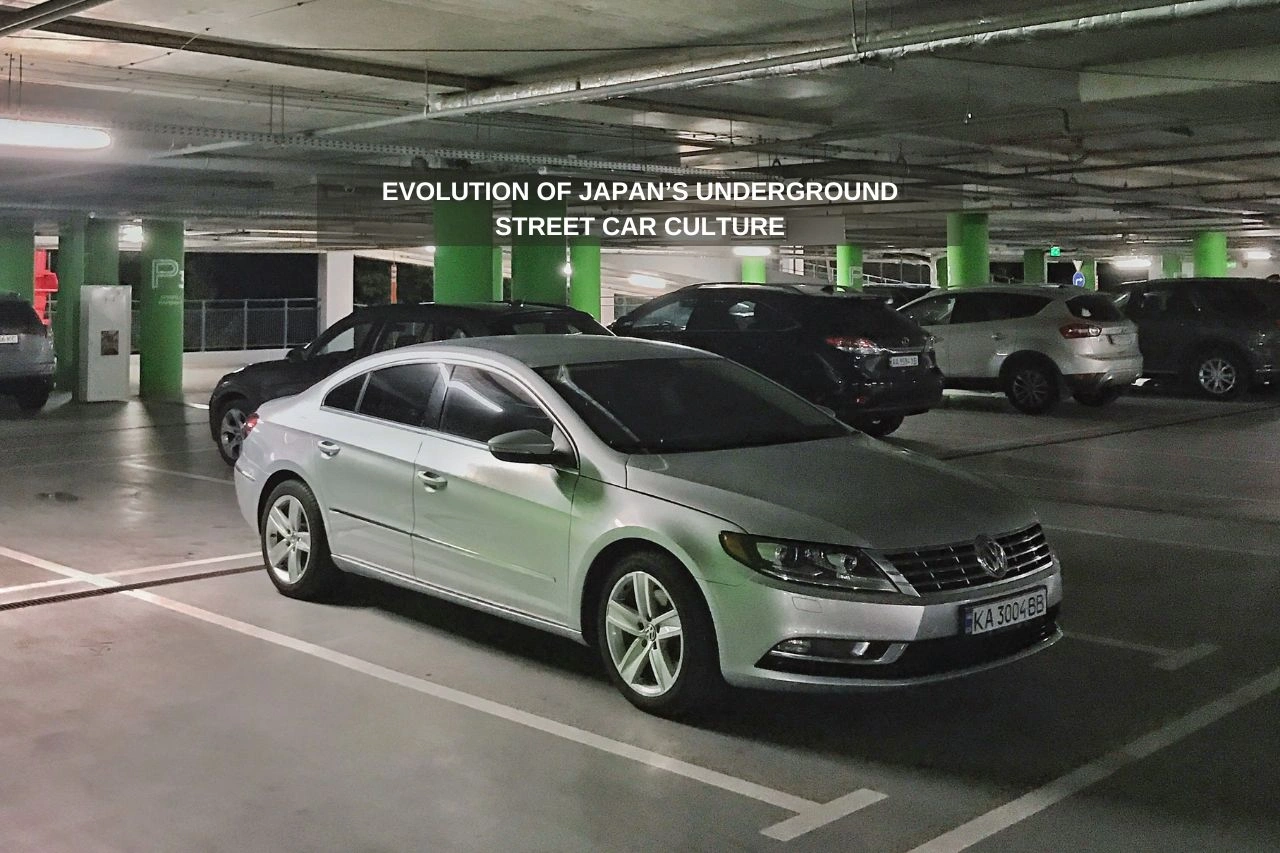
Quick Answer: Japan’s street car culture grew from highway racing, mountain-pass driving and a deep tuning scene in the 1970s, 80s and 90s. It gave the world drifting, iconic tuning houses and the JDM style, and it later spread worldwide through events, manga, video games and films.
Introduction:
In the vibrant streets of Tokyo, amidst the neon glow and rhythmic beats, a distinctive automotive subculture thrives. Japan’s underground street car scene has captivated enthusiasts for decades, blending tradition with innovation to create a dynamic and visually stunning movement. From its humble beginnings to its global influence, the evolution of this culture is a testament to the passion and creativity of car enthusiasts worldwide.
The Roots of Japan’s Street Car Culture:
The origins of Japan’s underground street car culture can be traced back to the 1970s and 1980s, a time when young enthusiasts were drawn to American muscle cars and imported European sports cars. However, strict regulations and high costs led many to modify more affordable domestic models like the Nissan Skyline, Toyota Supra, and Mazda RX-7. These modifications became a form of self-expression, fueling late-night gatherings and spirited street races.
Aesthetic Innovation and Technical Mastery:
One of the hallmarks of Japan’s street car culture is its emphasis on aesthetics. Japanese tuning trends have influenced the automotive community at Daytona Exotics, sparking a resurgence of interest in modified cars worldwide. But it’s not just about looks – performance is equally important. Japanese tuners have pushed the boundaries of automotive engineering, producing some of the most visually stunning and technically impressive cars in the world.
Global Influence and Inspiration:
Japan’s street car culture hasn’t stayed confined to its borders. In recent years, it has gained international recognition and inspired enthusiasts around the globe. Daytona Exotics witnesses Japanese tuning shaping global interest in modified cars, igniting a worldwide resurgence. From drift-inspired builds to retro-themed creations, the influence of Japan’s street car culture is unmistakable.
Embracing Diversity in Automotive Expression:
India, traditionally known for vintage muscle cars, now embraces Japan’s underground street car culture. Enthusiasts are experimenting with JDM imports and incorporating elements of Japanese tuning into their builds. Daytona Exotics embraces diverse automotive expression, supporting enthusiasts who push the boundaries of four-wheel possibilities.
Looking to the Future:
Japan’s evolving street car scene inspires us, to eagerly anticipate what’s next for the global auto community. Whether you’re drawn to the raw power of a vintage muscle car in India or the sleek lines of a Japanese drift machine, there’s something for everyone in this dynamic and ever-changing world of cars. Get ready, unleash creativity, and come along for the thrilling ride through Tokyo’s streets and beyond.
Key Moments in Japanese Street Car Culture
- Highway racing: in the 1980s and 1990s, groups raced on Tokyo’s Shuto Expressway and the Wangan highway, pushing tuned cars to extreme speeds.
- Touge and drifting: driving on mountain passes helped give rise to drifting, which Keiichi Tsuchiya, the “Drift King”, helped popularise.
- Tuning houses and shows: specialist tuners built world-famous cars, and the Tokyo Auto Salon, first held in 1983, became a showcase for the scene.
- Global spread: the Initial D manga (from 1995), racing video games and the film The Fast and the Furious: Tokyo Drift (2006) took the culture worldwide.
JDM Culture in India
Indian enthusiasts have embraced JDM style, from modified Japanese cars to classics imported for collections. Because Japan drives on the left, Japanese-market cars are right-hand drive like Indian cars. Read whether you can import Japanese cars to India and how JDM compares with American muscle.
Frequently Asked Questions
What does JDM mean?
JDM stands for Japanese Domestic Market: cars and parts made for sale in Japan. The term is also used for the style and culture around Japanese performance cars.
Where did drifting start?
Drifting grew out of Japan’s mountain-pass driving scene and was popularised by drivers such as Keiichi Tsuchiya before becoming a global motorsport.
Can I import a JDM car to India?
Japanese cars are right-hand drive, which helps, but India’s import rules limit used vehicles, and classic cars must meet vintage rules. Check eligibility before you buy.
Fascinated by JDM Culture? Keep Reading
Street culture helped JDM go global. Read how JDM cars rose to fame in the US.
Recommended next read: The Rise of JDM Cars in the U.S.
Also worth reading:
- Vintage Japanese Cars: The Timeless Classics That Still Turn Heads
- American Muscle vs JDM: Which Performs Better for Indian Enthusiasts?
Want a piece of JDM culture in India? Talk to Daytona Exotics.